
029-81163280
13519147002
Natural fruit essence: Preserving the natural freshness and sweetness

Basic Characteristics: This type of fragrance aims to capture and reproduce the typical flavors of mature fruits, such as strawberries, mangoes, citrus fruits, and passion fruits. The core challenge lies in recreating the complete "aromatic profile" of fruit flavors from the fresh opening notes to the sweet closing notes. High-end natural fruit fragrances are usually obtained from real fruits through physical methods such as cold pressing, distillation, or extraction, and are rich in the volatile compounds specific to each fruit, such as esters and aldehydes. They strive for high authenticity, freshness, and naturalness, without any chemical taste.
Application fields:
Dairy products: Flavored yogurt, fruit-flavored milk, ice cream.
Candies and Baking: Gummy candies, jellies, fruit-filled chocolates, fruit-flavored cakes.
Healthy foods: Fruit-flavored nutrition bars, meal replacement smoothies, vitamin chewable tablets.
Baking essence: Re-create the warm "kitchen aroma"
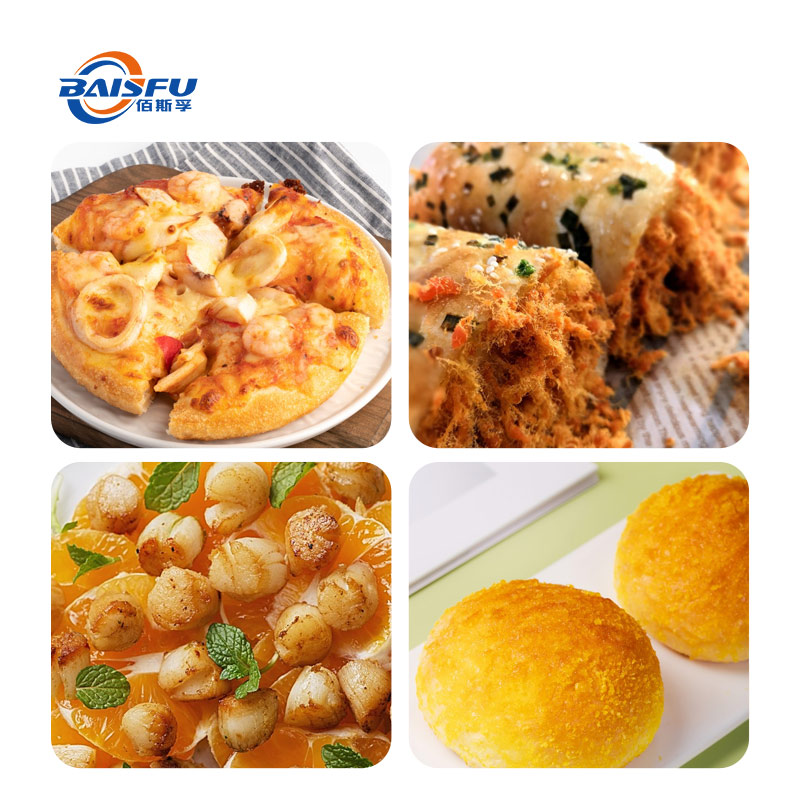
Basic Characteristics: The baking essence mimics the complex, warm, and pleasant aroma produced by the Maillard reaction and caramelization reactions that occur during the heating process of ingredients. For example, vanilla, cream, caramel, butter, nuts (such as hazelnuts and almonds), and various bread and cake baking aromas. The key characteristics of these essences lie in their high heat resistance, which enables them to maintain stable flavor without volatilization during the baking process, and to create a rich and long-lasting aftertaste.
Application fields:
Baking pastries: bread, cakes, cookies, egg rolls, puffs.
Desserts and snacks: pudding, popcorn, wafers, baked potato chips.
Drinks: Baked flavor coffee, flavored latte, hot chocolate.
Herbal fragrance: Infused with refreshing natural greenness
Basic Characteristics: The herbal essence is extracted from the leaves or stems of plants such as mint, basil, oregano, rosemary, and fennel. It is renowned for its refreshing, cool, and slightly grassy or spicy characteristics. The flavor of this essence is usually very distinct and penetrating. A small amount of it can bring about a significant refreshing sensation. High-quality herbal essence can precisely balance its coolness with the true aroma of the plants, avoiding the "toothpaste-like" or overly stimulating chemical sensation.
Application fields:
Oral care and candies: chewing gum, mint candies, mouthwash.
Beverages: Mint tea, cocktails such as Mojito, and herbal-flavored sparkling water.
Salty flavoring: Used in salad dressings, dipping sauces, and innovative snack foods (such as mint-flavored chocolate).
Beverage flavoring: The flavor engine that drives the billion-dollar beverage industry
Key Characteristics: This is a fragrance category specifically designed for liquid media. The core requirements are excellent water solubility, clear transparency (or matching the color of the product), and high stability under various pH values and sterilization processes (such as pasteurization, UHT). They cover flavors such as fruits, tea, coffee, milkiness, bubble simulation, and even innovative concept flavors (such as "sea salt cheese" and "white peach oolong"). The beverage fragrance must ensure that the flavor of the product remains consistent throughout the shelf life and the aroma is pleasant upon opening.
Application fields:
Entire beverage range: carbonated drinks, fruit juices, tea beverages, energy drinks, plant-based milks, alcoholic beverages.
Ready-to-drink and powdered preparation: Bottled water flavor enhancers, powdered beverages for brewing (such as milk tea powder).